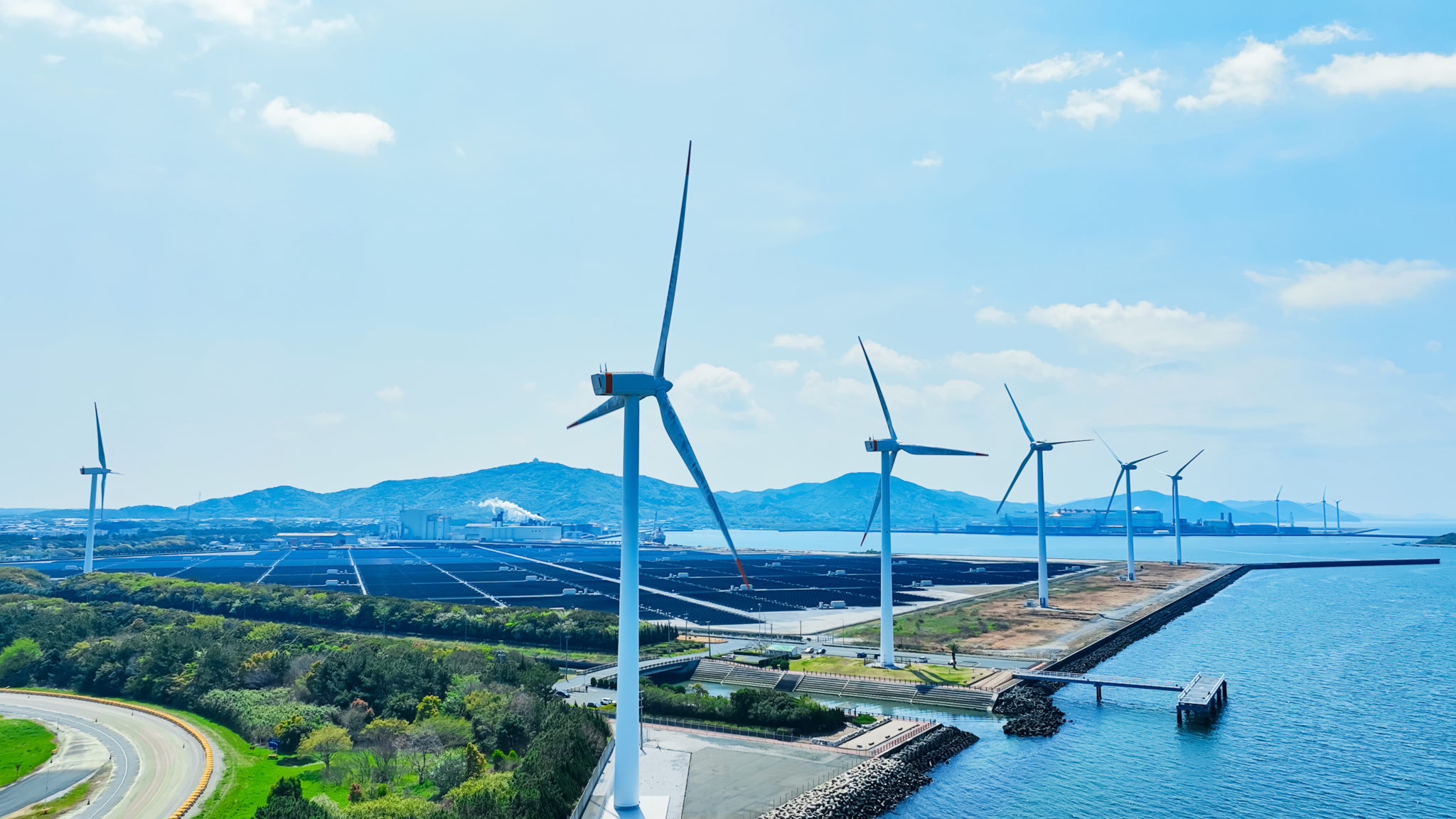
The momentum for renewable energy has never been stronger. In 2024, global clean energy investments exceeded $2 trillion for the first time – marking a major shift in how the world powers itself. At the forefront of this transformation are wind and solar, now the fastest-growing energy sources globally.
In the Global South, renewable energy adoption is accelerating at twice the pace of the Global North. This rapid progress underscores the potential for renewables to deliver affordable, reliable energy and unlock new opportunities in regions that have historically faced limited energy access.
As the impact of the climate crisis intensifies, the urgency to act becomes undeniable. With the next cycle of Nationally Determined Contributions (NDCs) set to be submitted ahead of COP30, we’re at a critical crossroads. The choices made now will determine whether we can stay on track to limit the global temperature rise to well below 1.5°C.
Despite political uncertainties, this moment offers us a unique opportunity to strengthen renewable energy commitments and expand access to sustainable power for all.
Let’s make 2025 count. Share this newsletter, start conversations, and be a part of the global push for a just, renewable future.
In northwestern Mexico, communities once left in the dark are now lighting the way with solar energy. Iniciativa Climática de México (ICM) and CERCA – Energía y Aire Limpios are working to bring affordable and sustainable electricity to areas long disconnected from the national energy grid.
Despite being off-grid, these regions have some of the highest solar potential in the country. In places like Puerto Chale and El Dátil, residents previously relied on expensive diesel generators that provided electricity for only five hours a day. While solar panel systems had been installed in the past, they proved unsustainable over time. This was due to high maintenance costs and a lack of capacity to operate them, which led to many solar panels being abandoned or sold.
To address this, ICM and CERCA supported the formation of energy cooperatives and partnered with local organisations to install solar-powered kiosks. These kiosks now provide reliable electricity for educational and social spaces.
Both communities have embraced solar energy as a cost-effective, low-maintenance option, recognising their ability to address local electricity shortages. This collaborative model highlights what’s possible when local solutions and clean technology come together. Their success is a reminder that renewable energy is not just about technology – it’s about people, resilience, and opportunity.
South Korea has taken a major step forward in accelerating its renewable energy transition with the Offshore Wind Power Promotion Act (OFW Act) – widely known as the “One Stop Shop Act”. This milestone simplifies the country’s complex permitting process for offshore wind development, unlocking faster development and investment.
Over the past four years, our partners have collaborated with local organisations to support public education efforts and share insights on challenges surrounding offshore wind permitting. These initiatives have helped raise awareness of the role streamlined processes can play in scaling clean energy.
The Act is expected to reduce project approval times by approximately eight months, helping South Korea progress toward its target of 40.7 GW of wind power by 2038.
Its successful implementation will be an important milestone in strengthening the country’s renewable energy landscape. Read more about the OFW Act here.
At the recent Berlin Energy Transition Dialogue, we hosted an event bringing together experts to discuss how best to shape narratives around the energy transition.
Through collaboration with our partners, the session helped us to understand what resonates with different audiences and how we can communicate the energy transition more effectively.
We found that the most engaging narratives involve on-the-ground change, compelling storytelling, and local success stories.
We’re excited to carry these learnings into our communications work, and want to thank all partners who participated in the event for helping us to build a stronger, more impactful clean energy narrative.
Grids are the backbone of modern energy systems, but to power a clean energy future, they must be upgraded, expanded, and optimised. Without urgent upgrades, ageing infrastructure will slow renewable integration and strain electricity systems.
Philanthropy plays a key role in accelerating grid transformation – by bringing stakeholders together, de-risking innovative solutions, and pushing for smart, forward-looking policies. Modernising grids isn’t just technical – it’s vital for a clean, resilient, and equitable energy transition.
Hear more from Ana Barillas, grids expert, at Aurora Energy Research, in this explainer video.