Powering possibility: How communities are turning the tide on the energy transition
Powering possibility: How communities are turning the tide on the energy transition
A conversation with Instituto Clima e Sociedade, Iniciativa Climática de México and the European Climate Foundation
Around the world, many communities continue to be overlooked in the energy transition. Some are still dependent on costly and polluting fuels to power their lives—often beyond the reach of national grids and excluded by ongoing inequality and underinvestment. Others face different barriers: limited inclusion, gaps in technical capacity, or insufficient institutional support to shape solutions that fit local needs.
Across these regions, the message is the same: the current approach falls short, and the most vulnerable are paying the highest price. To tackle this, our regional partners are leading a growing number of projects with the communities, to build cleaner, more reliable, and more equitable energy futures.
Here are three concrete examples that show what’s possible when local innovation meets global momentum.
The Solution
The energy transition isn’t just about switching to renewables—it’s about working with communities and grounding solutions in lived realities. By involving local voices in the design, ownership, and rollout of clean energy, we can ensure benefits like affordability, reliability, and economic opportunity reach those often left behind. Our goal is to scale up these kinds of projects: community-driven, locally adapted, and powered by renewables energy.
In Brazil, solar energy is powering sustainable rural development and advancing community-led climate solutions. In partnership with Instituto Clima e Sociedade (iCS) and the Centre for Sustainable Development at the University of Brasília, the project brings solar panels and agroecological systems to reform settlements in the semi-arid Caatinga region. This initiative not only generates reliable electricity but also supports rainwater collection and irrigation, laying the groundwork for resilient, community-led food systems.
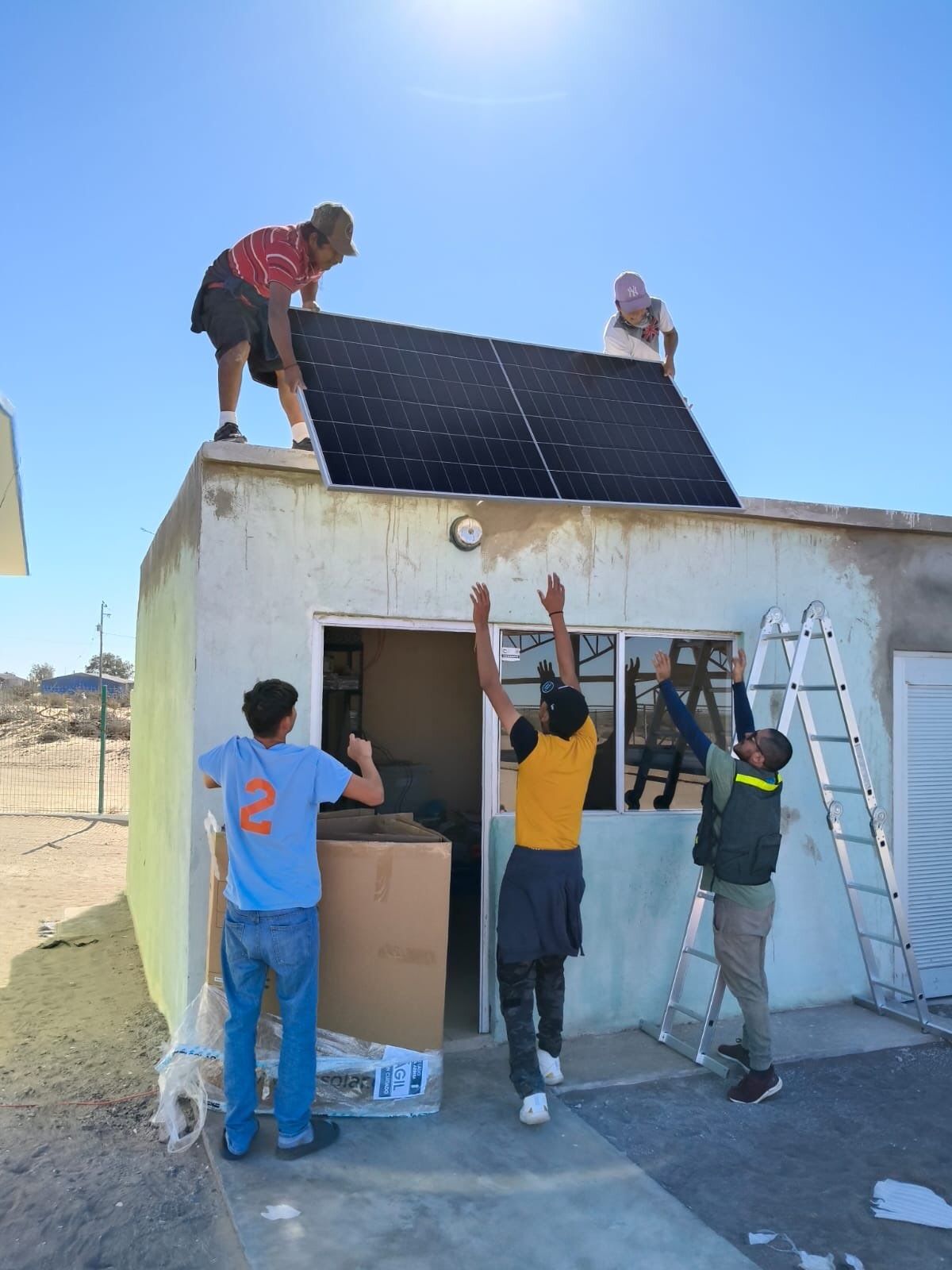
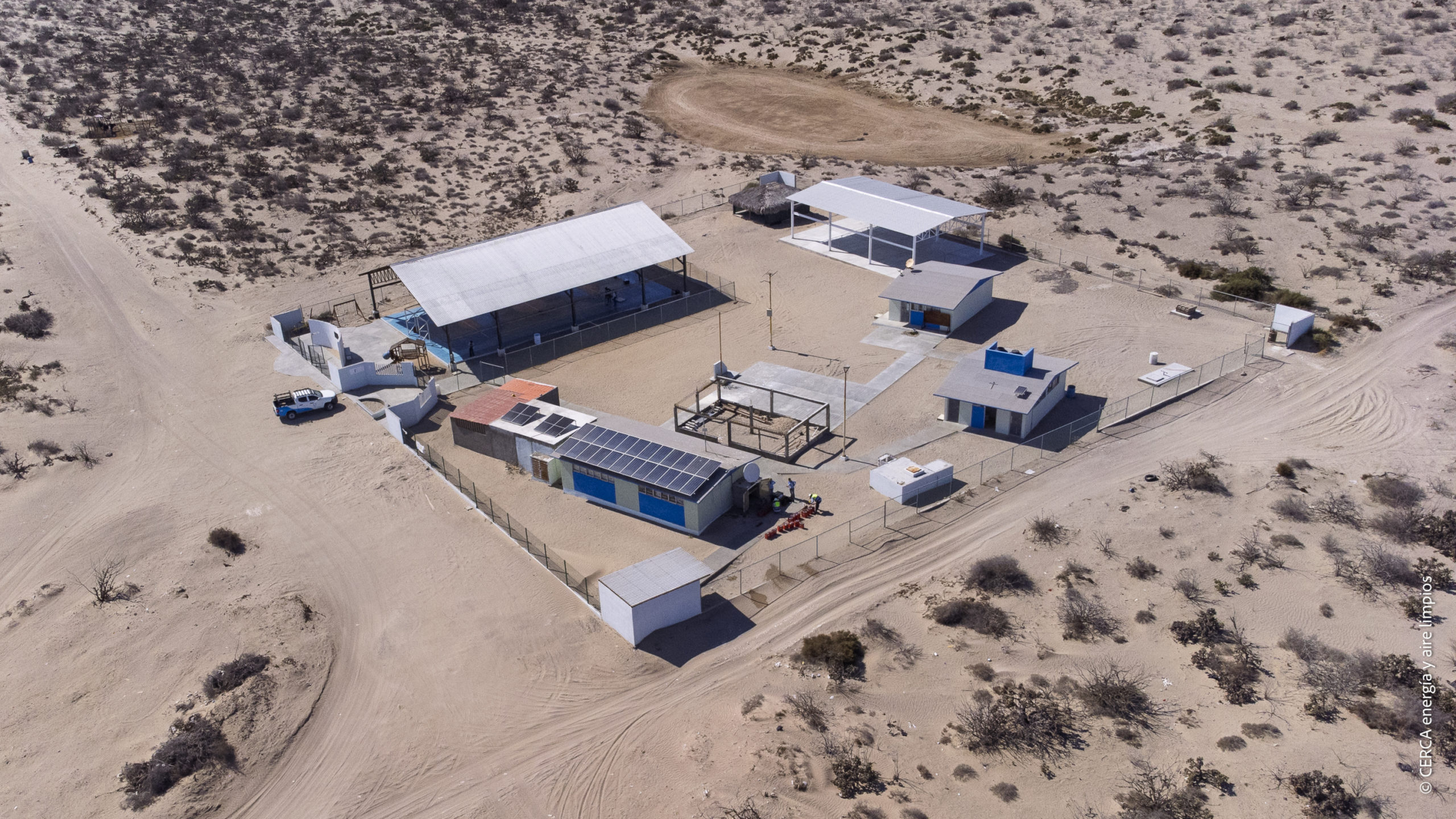
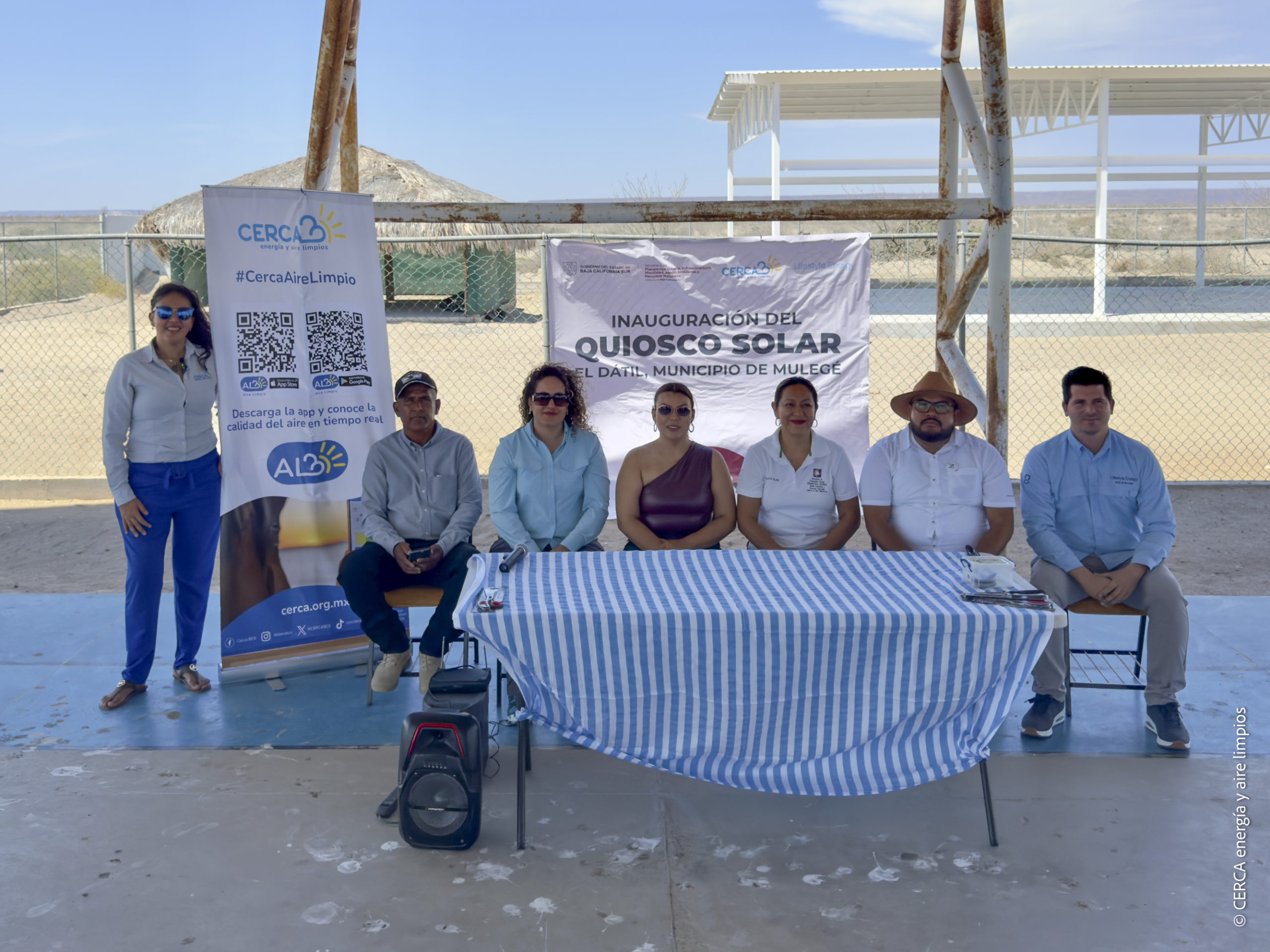
Meanwhile in Mexico, two communities in El Dátil’s desert region welcomed solar-powered kiosks in August 2025. Led by CERCA and supported by Iniciativa Climática de México (ICM), the project replaces costly, polluting diesel generators with clean, consistent solar power that provides essential electricity services in a harsh, off-grid environment. Following this launch, ICM is also working to implement two more kiosks in the communities of La Candelaria and San Luis Gonzaga, expanding access to clean energy across the region.
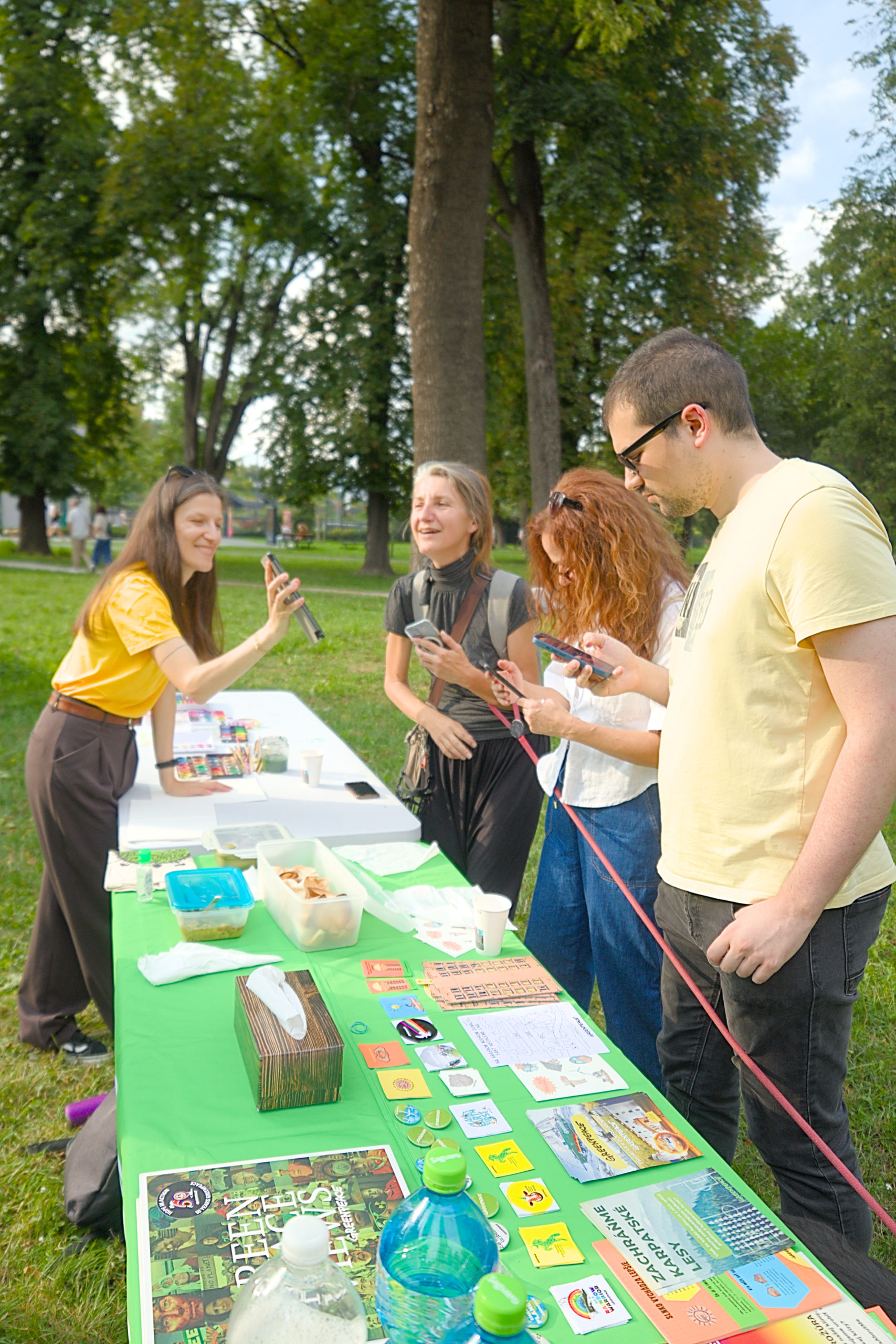
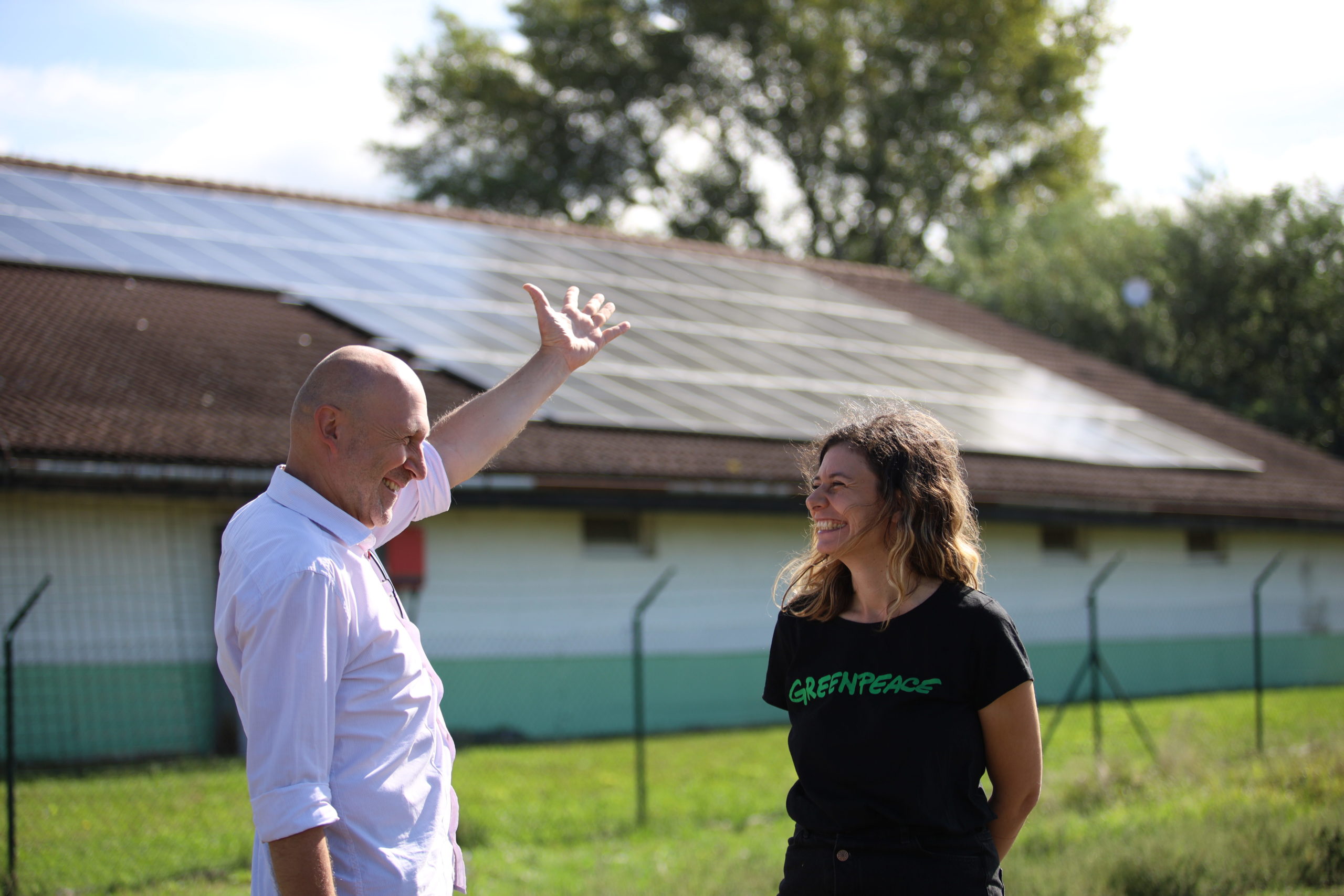
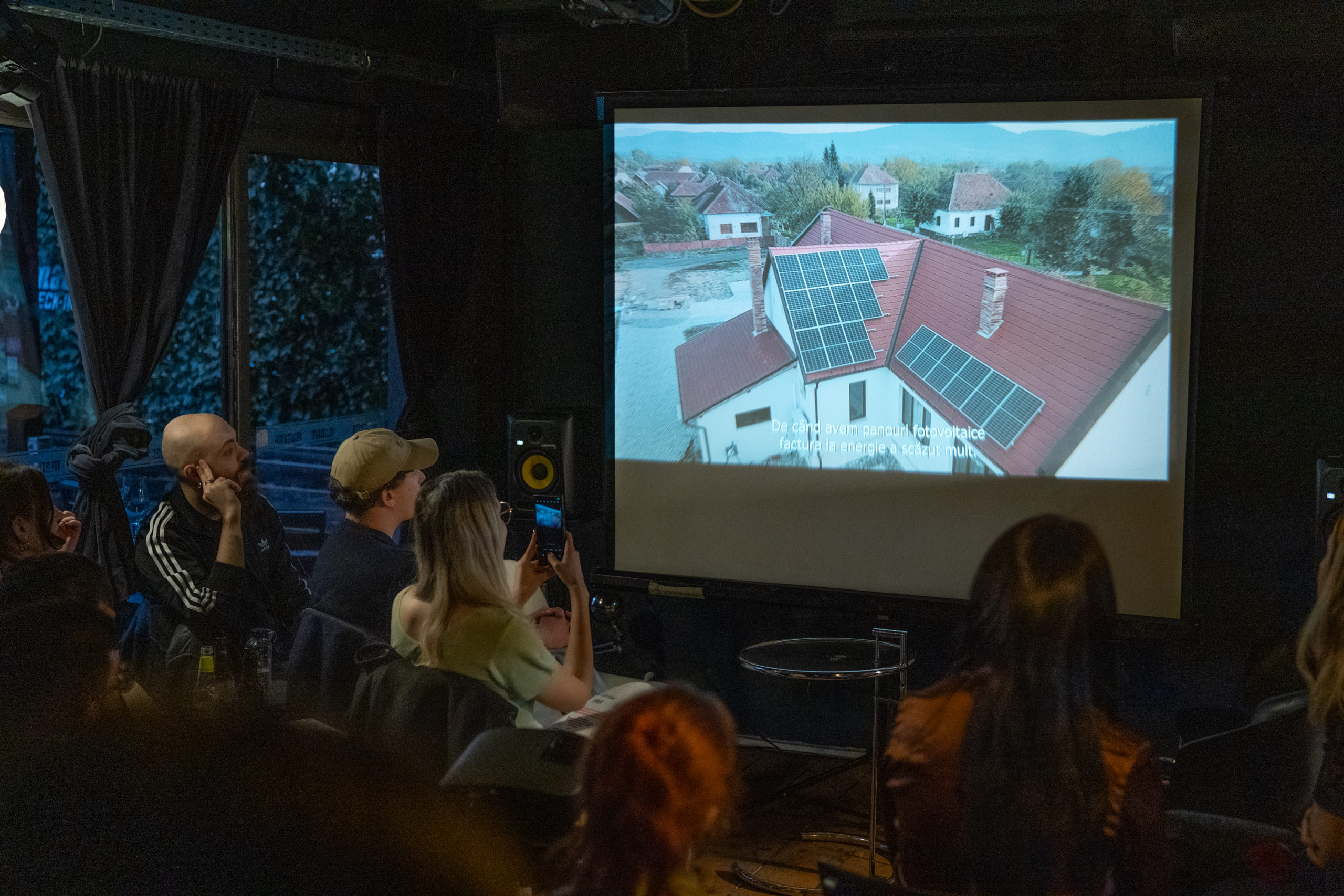
And across Europe, creative outreach and digital innovation are helping people see themselves in the energy transition. With support from the European Climate Foundation, Greenpeace teams in Slovakia and Romania are meeting people where they are and sparking curiosity about shared energy solutions through lively festivals and door-to-door campaigns reaching over 1,300 apartment blocks, raising awareness about energy communities and their benefits. At the same time, new tools like the Coopérnico Communities App are making local collaboration easier by connecting neighbours to co-create, manage, and share renewable energy projects within their communities.
The Impact
Whether it’s connecting neighbours through community energy, integrating solar panels with farming systems, or deploying microgrids in remote villages, these solutions are rooted in local realities and built for long-term impact. In every region where this work is underway, we’re seeing what’s possible when communities reclaim their energy futures.
In Brazil’s Northeast, rural families are turning sunlight into reliable power and opportunity. With agrivoltaics systems now powering homes and irrigating crops, communities are seeing reduced energy costs, improved food and water security, and new income from organic agriculture. Technical training ensures farmers can operate and maintain these systems independently, strengthening local ownership and long-term sustainability.
In Mexico’s Baja California Sur, new solar-powered kiosks are delivering reliable, clean energy for essential services like education and community gatherings These systems replace polluting fuel sources, cutting CO2 emissions, and they serve as a foundation for long-term resilience in one of Mexico’s most energy-challenged regions. More than just infrastructure, the kiosks reflect a shift in how energy access is approached: by building local capacity and encouraging community ownership, the initiative goes beyond restoring energy access and begins to reimagine it.
In Europe, communities are becoming active players in shaping their energy futures. Creative outreach has made energy cooperation tangible and relatable—turning renewable power from an abstract goal into everyday action. By connecting neighbours to produce, store, and share renewable energy, these efforts are helping people lower costs, build trust, and take ownership of their local systems. Together, these efforts are turning energy transition from a distant policy goal into something participatory, practical, and personal.
Until recently, these communities were dependent on unreliable energy sources that placed a heavy economic burden, particularly on rural and historically marginalized groups. Today, thanks to locally grounded efforts people are taking the lead in shaping their own energy futures.
These successes aren’t happening in isolation. They are part of a growing network supported by ReNew2030 and partners, where solutions are tested, shared, and adapted across borders. Peer learning and community-to-community exchange are fuelling a global movement grounded in local impact.